
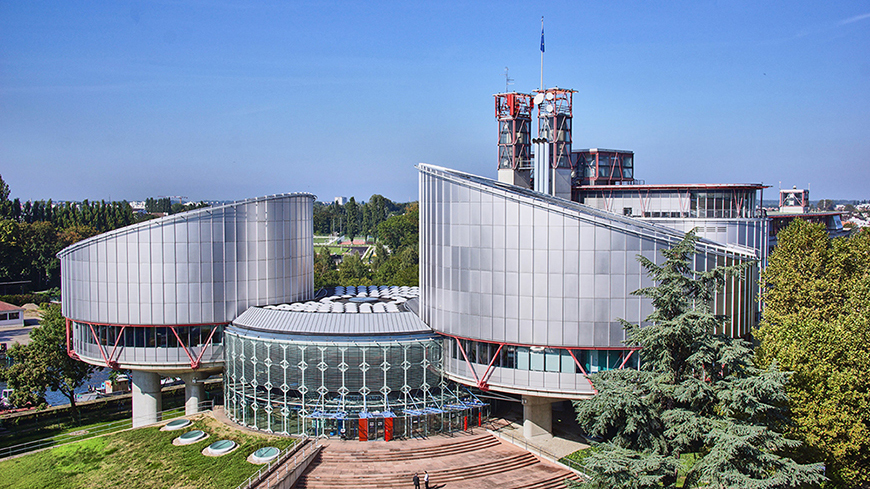
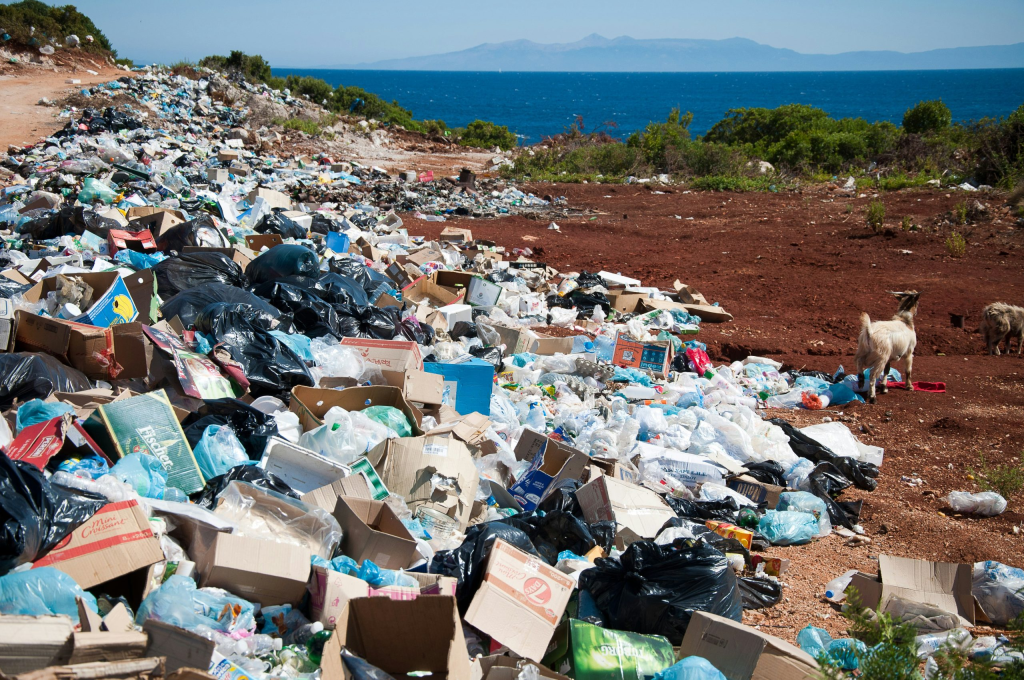
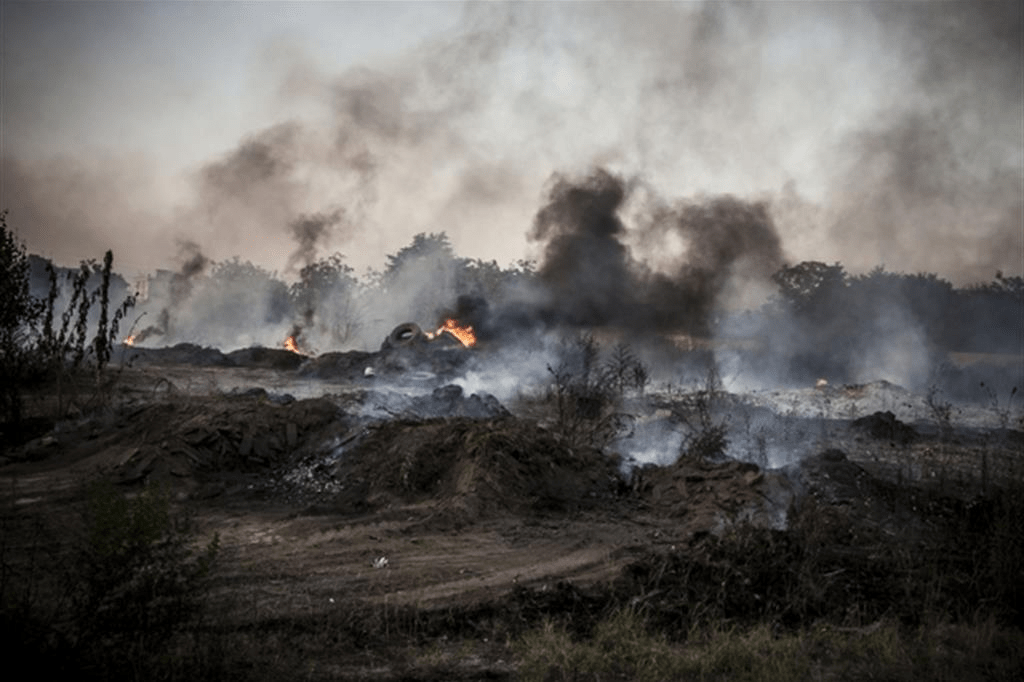
On 30 January 2025, the ECtHR delivered its judgment in the case of Cannavacciuolo and Others v Italy. This case involved decades-long, widespread pollution brought about by the illegal dumping, burying, abandonment, and burning of hazardous waste (largely by organised criminal groups) in parts of the Campania region, colloquially referred to as “Terra dei Fuochi” or “land of fires”. Two aspects of the Court’s judgment are particularly significant – the finding of a violation of Article 2 ECHR (right to life), and the Court’s treatment of standing, especially in the wake of KlimaSeniorinnen.
Background
The pollution crisis – described as an “environmental massacre” in a 2013 report of a parliamentary commission of inquiry – dates back to at least the 1990s, when the Italian authorities became aware of the problem. In the period between 1995 – 2018, a series of parliamentary commissions were established to investigate the region (para. 9) and the resulting reports, along with further studies and investigations by other parties (e.g., NGOs, the Naples prosecution service and the Lancet Medical Journal) showed the impact of the pollution on the population’s health. These included abnormally high rates of cancer and cancer mortality relative to the rest of Italy (para. 18) and significantly increased cases of pre-term births and congenital malformations (para. 98).
The 34 applicants – five of whom were associations – claimed that the authorities failed to take ‘appropriate and sufficient measures’ to protect their lives which violated their rights under Articles 2 and 8 of the ECHR. With regard to standing, the Court denied standing to all five associations (para. 222), applicants who were found to not live in the relevant municipalities (para. 249) and applicants who did not comply with the six-month time limit (para. 296). In the end, only seven applicants were granted standing.
The violation of Article 2
Cannavacciuolo marks the first time the Court finds an Article 2 violation in a pollution case. Reiterating that Article 2 imposes a positive duty on the State to safeguard the lives of its citizens, the Court stated that this applies not only to situations involving death but also those in which the individual might survive but be faced with a risk to their lives (para. 375). This is especially useful in cases of environmental harm in which an individual may fall seriously ill but survive or succumb to the illness many years later or where it may take a period of medium to long-term exposure for the individual to become ill.
For Article 2 to be applicable, there must be a “real and imminent” risk to the applicant’s life. According to the Court’s case law, “real” requires the existence of a “serious, genuine, and sufficiently ascertainable threat to life” while “imminence” requires physical and temporal proximity (para. 377). In this case, the Court held that it was indisputable that the dumping and incineration of the waste was inherently dangerous and posed a serious risk to life and that the authorities had known of the issue since at least the early 1990s (paras. 386-387). Based on this, and the evidence of health impacts, the Court found that there was a real and imminent risk to the applicants and as such, it was neither necessary nor appropriate to prove a direct causal link between exposure to the pollution and the onset of their illnesses (para. 390). The Court also applied the precautionary approach in its reasoning – the first time for Article 2. It found that since the risk to the applicants’ health had been apparent for such a long time, the absence of scientific certainty about the effect of the pollution did not defeat the positive obligation on the authorities to prevent it.
In assessing the government’s actions since it became aware of the issue, the Court found that it failed to show that it did all that it could have to protect the lives of the applicants (paras. 394-465). The Court did not find it necessary to assess claims under Article 8, stating that the scope of positive obligations under both articles largely overlap (para. 382).
The Court’s interpretation of Article 2 is important for a number of reasons. It applied the same test of “real and imminent risk” that it used in KlimaSeniorinnen, in consideration of Article 8. In the present case, the Court widened the scope of this approach to causation to Article 2. This, combined with the application of the precautionary principle, eases the burden on the applicants – especially in cases such as this one, where the sources and nature of the pollution are so varied – and reinforces the positive protective duty of the state. The Court held that part of this duty is investigation and assessment of the risk and if scientific certainty was required for the duty to protect to be triggered, a state could rely on its failure to conduct these investigations to escape its obligations, thereby rendering Article 2 ineffective (para. 391).
The specific use of the precautionary principle is notable for the way that it imports a key element of environmental law into considerations of the right to life. It explicitly requires states to take preventative and proactive measures to protect individuals’ lives from environmental harm. The Court stated that its interpretation of Article 2 is guided by the need for the safeguards in the Convention to be “practical and effective”, if it is to fulfil its purpose as an instrument for protection (para. 384).
Standing
As mentioned above, none of the five applicant associations were granted standing in this case. This is disappointing in the wake of the Court’s bold approach to the same issue in KlimaSeniorinnen, which they justified by citing the unique concerns of climate change and the need to avoid overly rigid and formalistic interpretations of victim status that would make Convention rights “ineffectual and illusory” (para. 482). However, in Cannavacciuolo, the Court held that “where an applicant association relies exclusively on the individual rights of its members, and without showing it has itself been substantially affected in any way, it cannot be granted victim status under a substantive provision of the Convention” (para. 218). Additionally, it noted that the individual members of the associations were not exempt from their obligation to make their own applications and it was not argued that any of them were physically incapable of doing so (para. 219).
The Court acknowledged its earlier judgement on standing in KlimaSeniorinnen but stressed that this was limited to the specific context of climate change which amounted to a “special consideration” (para. 220). In Cannavacciuolo, the Court said it could not see any special considerations that would warrant standing for associations.
This approach to standing is much stricter than the approach taken to Article 2 later in the judgment. It can be argued that in cases like this one, where the members of the associations are physically located in the same region as the other individual applicants and are not unable to lodge their own applications, there would be no reason to believe that they would have a lower chance of success than any other individual applicant. Therefore, denying associations standing is simply designed to prevent an actio popularis and not actually prejudicial to individual applicants. Additionally, the victims of climate change may be hard to identify and stretch indeterminably in the future, so associations that represent people who may not qualify for victim status are an invaluable tool in the protection of Convention rights. This is not necessarily a concern for cases of pollution which are usually confined to a definite geographical region and for which its perpetrators and victims can be somewhat more easily identified.
However, absent from the Court’s judgment on this matter, is an explanation of why drawing such a rigid distinction between types of environmental harm is necessary or useful. In a concurring opinion, Judge Krenc highlights that such widespread and long-term pollution as happened in this case will have an effect on the lives and health of future generations and can be difficult to physically trace with certainty (para. 6). Judge Serghides, in his partly concurring opinion, also mentioned the diffusive nature of this kind of pollution, especially as it was present in the soil, air, and waterways, allowing it to travel outside of the municipalities recognised by the local authorities as being affected by the pollution (para. 2). It is not clear or overwhelmingly convincing why the reasons for granting standing to associations in KlimaSeniorinnen cannot be applied in this case. This fragmentation in procedure for environmental matters could lead to confusion further down the road, especially in large-scale, complex cases like this one.
Conclusion
The Court’s interpretation of Article 2 in the context of environmental pollution is encouraging for the future of environmental litigation at the ECtHR. It represents a significant milestone for the Court in this area as it creates a strong link between the right to life and a healthy environment. However, on the topic of standing for associations, it remains to be seen whether the decision to differentiate between types of environmental harm in this way proves effective in fulfilling the aims of the Convention.

 Environmental Law and Justice
Leave a comment