
I was recently asked this question by a friend and fellow researcher seeking to better understand my doctoral work. Her curiosity sparked the idea for this short piece.
My PhD thesis, titled “Legal Protection of Carbon Sinks: Balancing Climate, Ecosystem, and Human Rights Considerations through a Case Study of Peatlands in Ireland”, examines the legal frameworks that protect ecosystems functioning as carbon sinks, meaning that they absorb and store carbon, helping to mitigate climate change. Peatlands are a prime example of such terrestrial carbon sinks. However, rather than focusing solely on their legal protection for climate mitigation purposes, my research adopts a holistic, place-based approach. It considers peatlands as embedded within specific contexts and as lived-in environments.
In particular, Irish peatlands are an integral part of the country’s socio-cultural landscape, shaped by local communities through recreational and land-use activities, so much so that they have been described as “deeply humanised landscapes” (Renou-Wilson 2018). Originally regarded as wastelands – “they’ll never dig coal here, only waterlogged trunks of great firs,” wrote Seamus Heaney in Bogland – peatlands later came to be seen as a valuable resource for fuel. This shift led to decades of peat extraction for energy purposes, ranging from traditional domestic cutting to large-scale industrial extraction for electricity production.
Domestic peat extraction, also known as “peat cutting” or “turf cutting”, refers to the collection of peat for household fuel. Traditionally, this was done by hand and passed down through generations as a practice that has been described as a “ritualised family activity” (Häyrynen, Devery and Banerjee, 2021). While surface hand-cutting was largely replaced by mechanised extraction over time, the time spent “on the bog” has been described as “much more than an economic exercise”, as “an aesthetic experience, a cultural ritual which added richness and meaning to the fabric of life” (Feehan and others, 2008).
Building on my PhD thesis, this blog post explores how I have used the right to take part in cultural life, as set out in Article 15(1)(a) of the International Covenant on Economic, Social and Cultural Rights (ICESCR), to frame the relationship that local communities in Ireland have developed with peatlands through turf cutting.
Can turf cutting be said to fall under the scope of the right to take part in cultural life?
Article 15(1)(a) of the ICESCR recognises the right of “everyone” to “take part in cultural life.” Although the Covenant does not define “culture”, the body that monitors its implementation – the UN Committee on Economic, Social and Cultural Rights (CESCR) – has provided guidance on the meaning of “cultural life.” In General Comment No 21, the Committee identifies various elements of cultural life, including “ways of life” and “customs and traditions through which individuals, groups of individuals, and communities express their humanity and the meaning they give to their existence”.
Elaborating on culture as a way of life on the basis of existing literature, I pinpointed certain identifiers that make a certain way of life fall under the scope of the right to culture:
- the collective dimension, indicating the connection of a way of life to a given social group;
- the intertemporal dimension, which indicates that practices take place over time;
- the place-based dimension, indicating the connection to a place; and
- the meaning-building dimension, referring to the reproduction of a symbolic system of values, beliefs etc., underlying the community’s way of life and contributing to a sense of identity.
Given this broad understanding of culture, the right to take part in cultural life encompasses a wide range of human activities, including the gathering of people in specific places to engage in traditional economic practices, which may evolve over time through the use of modern technology to adapt to changing circumstances (Stamatopoulou, 2007; Stavenhagen, 2001).
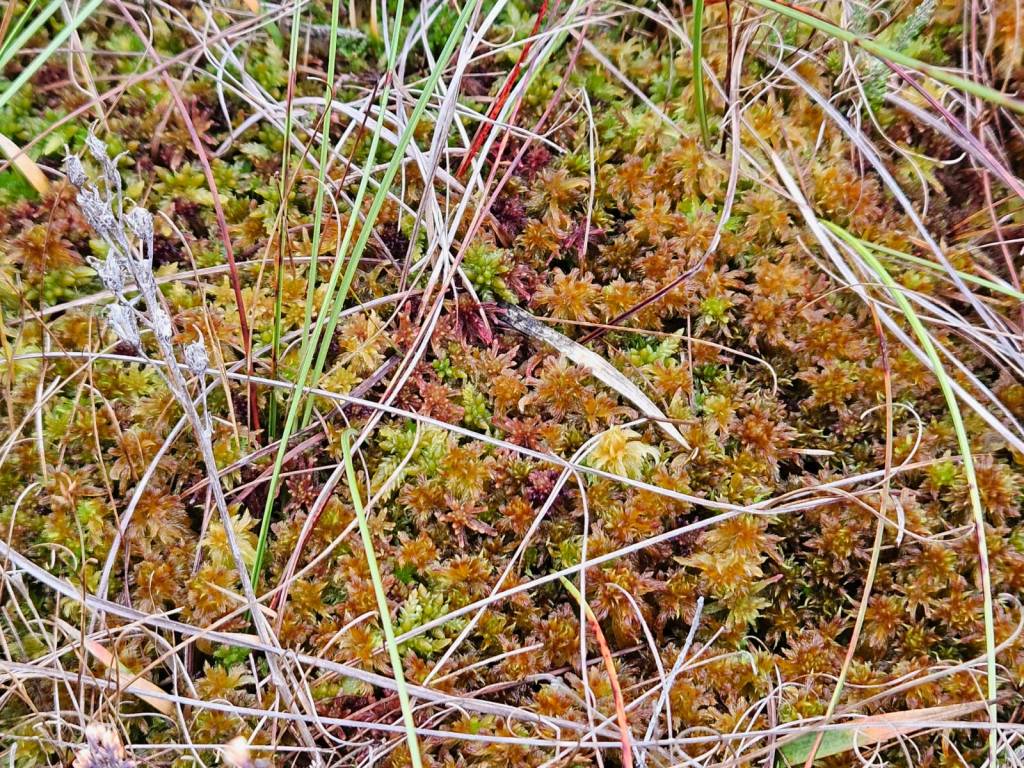
With this in mind, the practice of turf cutting on Irish bogs can be understood within the CESCR’s concept of culture as a way of life. It is carried out by a specific group (collective dimension), rooted in the peatland landscape (place-based dimension), passed down through generations (intertemporal dimension), and contributes to a shared sense of identity and belonging (meaning-building dimension). Moreover, references to turf cutting as a way of life appear in parliamentary debates and in the National Peatlands Strategy 2015, which explicitly recognises that “turf cutting by citizens for their own domestic fuel needs is a valued traditional activity”. This remains true even if turf cutting methods have evolved over time, becoming increasingly mechanised through the use of modern technology.
However, in conceptualising turf cutting as a way of life that falls within the scope of the right to take part in cultural life, I was also confronted with the following question: Are all turf cutting activities an expression of culture? And where should we draw the line?
As briefly mentioned above, traditional hand-cutting practices – cutting, drying, and stacking peat for domestic heating – have largely been replaced by mechanised extraction carried out by contractors on behalf of turbary rights holders. The expression “turbary rights” refer to the entitlement of individuals to cut turf for domestic purposes on a specific area of bog. However, turf cutting is now also frequently carried out for commercial purposes. Even the Peatlands Strategy acknowledges that turf cutting has, in some areas, evolved into a commercial activity, particularly where bog plot owners and turbary rights holders outsource the work to third-party contractors. This shift marks a breaking point where many of the cultural identifiers discussed earlier, namely the collective, intertemporal, and especially the meaning-building dimensions, begin to weaken or fall away.
To distinguish the cultural from the commercial, I found it useful to focus precisely on the concept of turbary rights. While these rights share similarities with property rights, they are largely unique to the Irish context and denote historical or customary entitlements to cut turf for fuel. Their origins are closely linked to Ireland’s post-colonial history, arising either through land resettlement following British colonial confiscations or through long-standing local usage. The exercise of turbary rights can help to qualify turf cutting as a cultural practice, insofar as it relates to domestic use. In contrast, commercial turf extraction, where peat is removed by contractors and sold on a large scale, often informally or through black-market channels, falls outside this cultural framing. That said, significant challenges remain: not all turbary rights are formally registered, and the widespread use of contractors by rights holders often blurs the line between domestic and commercial use.
Nevertheless, to the extent that this distinction can be made, the analysis in my thesis demonstrates that only turf cutting for domestic purposes may fall within the scope of Article 15(1)(a) of the ICESCR.
And so what? What are the implications of recognising turf cutting as a cultural activity protected under the right to take part in cultural life?
As with all human rights, the right of everyone to take part in cultural life entails duties for the State to respect, protect, and fulfil this right. These duties include preventing interference by the State or third parties, as well as facilitating the enjoyment of the right. This raises the question of what exactly should be protected in order to determine the specific duties of States, hence the importance of defining the meaning and scope of cultural life in relation to turf cutting.
The analysis conducted in the thesis reveals that the CESCR’s understanding of culture, as elaborated in General Comment No 21, extends beyond traditional economic activities, which are integral to people’s ways of life, to encompass interactions with the “natural and man-made environment” that shape the identity of local populations. Thus, in addition to turf cutting for domestic purposes, culture includes people’s relationships with the peatland landscape not only as a place shaped by land use, but also as a natural ecosystem valued for its wildlife, wilderness, and therapeutic qualities, regardless of turf cutting.
It follows that local communities in Ireland may hold competing cultural interests in the same landscape: the continuation of turf cutting as a traditional practice on the one hand, and the preservation of peatlands as natural heritage on the other. This duality reflects anthropological understandings of culture as “a system of contested and contradictory discourses” (Chow, 2018) and carries important implications for how the State’s obligations under the right to take part in cultural life are interpreted.
In substantive terms, under the right to take part in cultural life, the Irish State has a duty to refrain from interfering with the cultural practice of turf cutting for domestic use, as well as a duty to afford the practice adequate recognition at national level, through legislation, strategies, and plans. At the same time, the State has a duty to take steps to protect and restore peatlands, while accounting for their dual dimension as natural and man-made environment. This means that this duty does not equate to the ecological restoration of peatlands as merely a matter of applying the best scientific solution, but it calls for an approach to restoration that integrates social and cultural considerations alongside ecological ones (“eco-cultural” restoration – Boulot, 2020). Instead, existing research emphasises the scientific rationale behind the designation of peatland sites as Special Areas of Conservation under the Habitats Directive which led to the ban on turf cutting on these sites (O’Riordan, Mahon and McDonagh, 2015), without accounting for the contested cultural dimension that views them as places where turf cutting was also practiced.
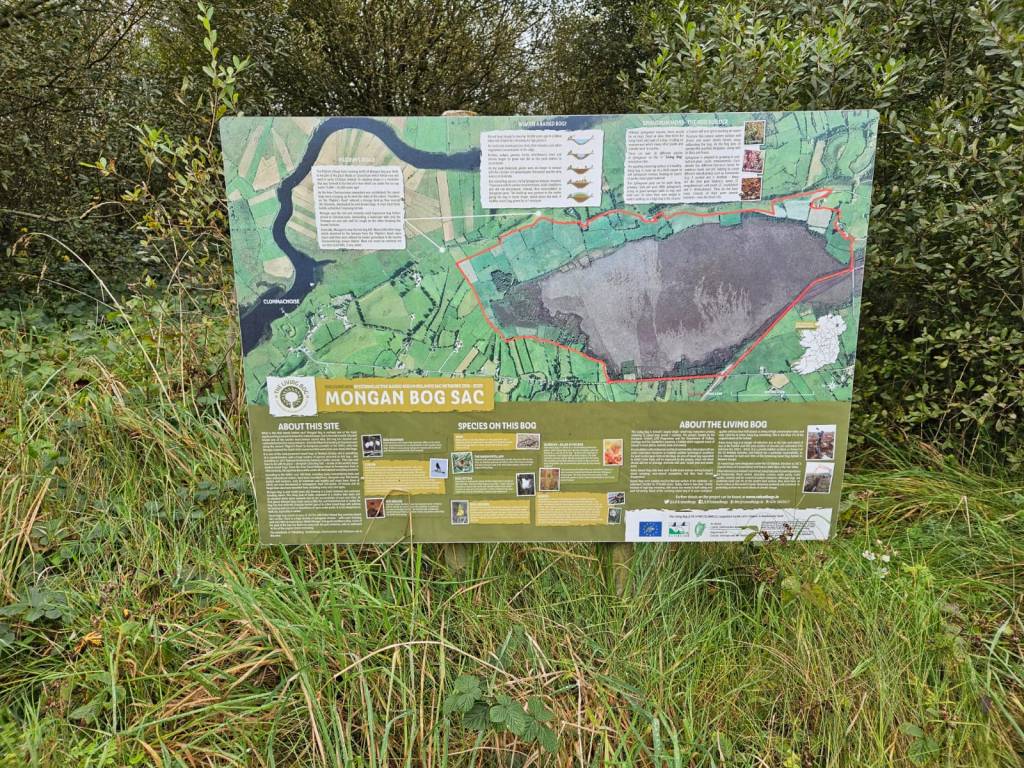
While the contested cultural dimension has been largely neglected in State measures to protect and restore peatland ecosystems under the Habitats Directive, various research and community projects have sought to enhance peat bogs as places of recreation and education, aligning with Boulot’s concept of eco-cultural restoration. A striking example is the Abbeyleix Bog Project, managed by local communities for conservation, recreation, and educational purposes. These initiatives offer people the opportunity to appreciate the non-material benefits of the ecosystem, which they previously saw only as functional, while incorporating the contested dimension of culture. Such efforts are promoted by organisations like the Community Wetlands Forum and the Peatland Early Career Researchers Group, which I joined as a result of my research.
In conclusion, acknowledging culture and the question of what should be protected as a contested issue, facilitates a nuanced understanding of what it means to realise cultural rights, while recognising the underlying tensions in decision-making. Omitting this contested dimension, however, poses an obstacle to their effective protection. This does not imply that the practice of turf cutting for domestic purposes should be protected unconditionally, as human rights may be subject to limitations when pursued in the interest of legitimate aims such as environmental protection, with which they must be carefully balanced. Nor does it mean that the cultural practice should be preserved intact, since viewing culture as a ‘collection of collective meanings’ implies it can be transformed into other forms as long as the community element is retained (Chow, 2018). What is crucial is for the State to consider the cultural practices rooted in the peatland landscapes when crafting policies that may undermine them. If the State fails to consider these cultural dimensions in policymaking, it risks undermining the very communities whose support is vital for environmental protection.
References
Alessandra Accogli, Legal Protection of Carbon Sinks: Balancing Climate, Ecosystem, and Human Rights Considerations through a Case Study of Peatlands in Ireland (PhD Thesis, University College Dublin 2025)
Emille Boulot, ‘Restoring Land, Restoring Law. Theorizing Ecological Law with Ecological Restoration’ in Kirsten Anker and others (eds) From Environmental to Ecological Law (Routledge 2020)
Stephenson Chow, Cultural Rights in International Law and Discourse: Contemporary Challenges and Interdisciplinary Perspectives (Brill 2018)
Florence Renou-Wilson, ‘Peatlands’ in Rachel Creamer and Lilian O’Sullivan (eds), The Soils of Ireland (Springer 2018)
Margaret O’Riordan, Marie Mahon and John McDonagh, ‘Power, Discourse and Participation in Nature Conflicts: The Case of Turf Cutters in the Governance of Ireland’s Raised Bog Designations’ (2015) 17(1) Journal of Environmental Policy & Planning 127
Margaret O’Riordan, John McDonagh and Marie Mahon, ‘Unlikely Alliances? Knowledge, Power and the Collaborative Governance of Irish Peatlands’ (2019) 100 Geoforum 188.
Seamus Heaney, Door into the Dark (Faber and Faber 1969).
Simo Häyrynen, Caitriona Devery and Aparajita Banerjee, ‘Contested Bogs in Ireland: A Viewpoint on Climate Change Responsiveness in Local Culture’ in Grit Martinez (ed), Culture and Climate Resilience (Springer 2021)
Elsa Stamatopoulou, Cultural Rights in International Law. Article 27 of the Universal Declaration of Human Rights and Beyond (Brill 2007)
Rodolfo Stavenhagen, ‘Cultural Rights: A Social Science Perspective’ in Asbjorn Eide, Catarina Krause and Allan Rosas (eds), Economic, Social and Cultural Rights (Martinus Nijhoff 2001)

 Environmental Law and Justice
Leave a comment