
My interest in climate justice stems from many places, but one of the most personal is being from Nigeria, where the most devastating impacts of fossil fuel extraction, especially in the Niger-Delta, are a constant part of public consciousness. Growing up, stories of oil spills, environmental destruction, and community displacement were impossible to ignore. Through my current PhD research, I’ve come to realise that the shift toward renewable energy is driven by the same extractivist model. The Democratic Republic of Congo’s (DRC) cobalt reserves, essential to the renewable energy transition and to achieving the goals of the Paris Agreement, reveal this contradiction. My research argues that the renewable energy sector’s current practices risks perpetuating or worsening existing social, environmental, and economic challenges, particularly in resource-rich regions like the DRC.
Racial Capitalism as the Root of the Climate Crisis
Capitalism and many Global North economies were built on the subordination and exploitation of various groups, largely consisting of indigenous peoples and enslaved Africans. A key component of modern capitalism is the “slow violence” that the fossil fuel sector inflicts on marginalised communities worldwide. Racialised communities in the Global North and South have been disproportionately affected by the extraction, processing, transportation, refinement, and burning of fossil fuels. The life cycle impacts of fossil fuels include eviction from ancestral lands; desecration of sacred sites; violation of treaty rights and tribal land ethics; poisoning of air, land, and water; fires, explosions, and industrial accidents; loss of subsistence fishing and hunting rights; and exposure to serious health hazards. These impacts can be found everywhere from the Niger Delta to the Canadian tar sands to the countless communities living in the shadow of polluting petrochemical facilities and power plants.
A climate justice lens grounded in racial capitalism highlights how the crisis is not just environmental, but deeply shaped by structural inequalities, especially through the uneven distribution of resources and the historical and ongoing exploitation of indigenous peoples and land. Colonialism and capitalism have both contributed to the continuation of these injustices by putting the interests of multinational businesses and the Global North ahead of those of the global south and vulnerable populations.Thus, climate justice requires not only a reduction of greenhouse gas emissions but also tackling the structural injustices and inequalities at the root of the issue, such as racism.
Climate Coloniality
In 2022, the IPCC confirmed colonialism’s role in causing climate change. Extensive extractivism, capitalism, and resource consumption are key drivers of climate change according to countless academic research publications. Since the climate crisis is the consequence of colonial violence; including military, technological, environmental, and extractive violence, the two are inseparable. Up to 92 per cent of total global excess emissions have been caused by Global North countries like the USA, the UK and the EU, with the USA alone being accountable for 40 per cent.
Coloniality is different from colonialism, it refers to the longstanding power relations that emerged as a result of colonialism, but define culture, labour, relations, knowledge production well beyond the limits of the colonial administration. This term is attributed to Peruvian sociologist Anibal Quijano and Jamaican cultural theorist Sylvia Wynter. Coloniality exceeds first wave colonialism and manifests colonial reasoning in the contemporary world order. Understanding climate coloniality means demonstrating how legacies of imperial violence insidiously live on.
The Climate Crisis and the Push for Renewable Energy
As the effects of climate change worsen, the demands for transitioning away from fossil fuels continue to grow. However, rather than completely moving from one dominant energy source to another, energy transition involves the phasing out of fossil fuels and replacing them with renewable energy sources. According to the International Renewable Energy Agency, the use of renewable energy will need to go from the current 15 percent to 65 percent by 2050 if the global community is to meet the Paris Agreement’s goal of limiting global temperature increase to well below 2°C. The renewable energy transition has led to an increase in the demand for critical minerals to produce lithium-ion batteries, solar panels, and other renewable energy sources. According to the World Bank, the demand for minerals for solar projects alone could increase by 300 percent by 2050 should the international community be on track to meet the Paris Agreement. One of the key elements of the energy transition is to shift to electric vehicles, which require large amounts of copper and cobalt. The average battery found in an electric vehicle requires over 13kgs of cobalt.
How Does the DRC fit into this?
A large percentage of the resources that are required for renewable energy technologies are in the Global South. Lithium, nickel, copper, and cobalt reserves in particular, are highly concentrated in South America and Sub-Saharan Africa. How these resources are extracted, who extracts them, and where they are extracted will determine the sustainability of the energy transition, particularly for Global South countries that are rich in these mineral resources. Copper, cobalt, and lithium produced in the Democratic Republic of Congo (DRC) will play a critical role in the green energy transition. However, despite being rich in these crucial natural resources and home to the world’s largest artisanal mining workforce, the DRC remains one of the poorest countries in the world. The Congolese have experienced severe exploitation that goes back to the colonial era, where they had their rights stripped away and the wealth of resources on their land exploited. The country now produces about 70% of the world’s cobalt, and research by the World Economic Forum shows that up to 30% of this cobalt comes from illegal artisanal mines, where child labour and exploitation is highly prevalent.
There are over 255,000 Small-scale miners of all ages in the DRC, 40,000 of which are children as young as age six. Despite generating a billion dollars’ worth of cobalt, miners earn less than $2 per day and work in extremely dangerous conditions, primarily using their hands as tools. Although global supply chain governance for certain minerals like gold, diamonds, and tin has considerably improved, these frameworks are yet to be expanded to include a lot of the minerals and resources that are crucial for renewable energy technologies. This creates an urgent need to examine the renewable energy industry and prevent it from further perpetuating and amplifying existing inequalities that have contributed to the ongoing climate crisis.
According to the United Nations Development Programme (UNDP), the shift from fossil fuels will minimise generational conflict and harmful practices that are associated with fossil fuel extractions. However, a close examination of the nature of the renewable energy sector and the extractivist model that underpins it reveals that the energy transition may perpetuate or even worsen existing social environmental, and economic challenges, particularly in resource-rich regions like the DRC.
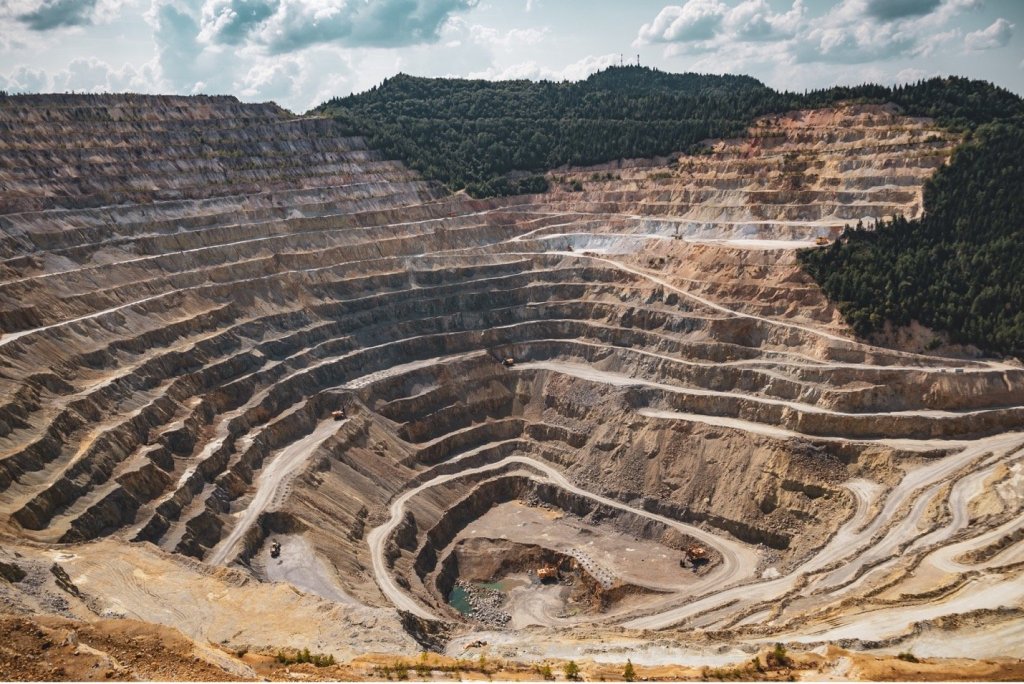
As mines continue to expand, thousands of Congolese people are facing internal displacement. Research by Amnesty international has shown that multinational companies in the DRC are forcefully evicting people from their homes and communities to make way for energy transition mining operations. The companies that were investigated consistently boast about the key role they are playing in the energy transition and claim they adhere to the highest ethical standards. These forced evictions mirror the experiences of many communities in the Niger-Delta when oil was discovered in the 1970s.
It is gravely unjust for indigenous communities who did not contribute to the climate crisis to now face an expectation to be part of the solution, which involves making sacrifices that pose a serious threat to the very core of their existence. Many of these communities have traditionally and sustainably occupied their land and ecosystems, and the solutions to the climate crisis should not lie in the disruption of these ancestral lands.
How can TWAIL offer a reimagining?
Third World Approaches to International Law (TWAIL) is a critical school of thought in international legal scholarship which among other things, seeks to re-examine the colonial foundations of international law. My PhD research applies a TWAIL framework to international climate law. It examines how racial capitalism and epistemic injustice shape international climate regimes, including the green transition, using the Democratic Republic of Congo’s Cobalt economy as a case study. I argue that “green” extractivism reproduces historical hierarchies and creates new sacrifice zones, mirroring the structural inequalities TWAIL has long critiqued.
TWAIL’s mission has consistently advocated for reforms and new norms that would make international law more equitable for the Global South. Although TWAIL consistently rejects the legitimacy of international law, even the most radical TWAIL critiques do not advocate for abandoning international law altogether. Instead, they seek to rebuild it as a truly inclusive regime that can facilitate the liberation and development of peoples in the Third World.
TWAIL provides a critical lens to analyse power dynamics and inequalities associated with the global response to climate change. TWAIL scholars have argued that the UNFCCC and the Paris Agreement are rooted in Western legal and political values that disregard the experiences and perspectives of the developing world. There is a disproportionate burden of responsibility on developing countries to address climate change, as developed countries continue to prioritise economic growth and consumption. This raises several questions, particularly in relation to whether the global climate governance system is perpetuating historical and ongoing patterns of colonialism and imperialism, where developed countries continue to extract resources and exploit the labour of the Global South to fuel their economies, while developing countries bear the environmental and social burdens. The climate crisis, caused mainly by the Global North with disproportionate impacts on the Global South, is a compelling example of the systemic imbalances and inequalities built into the global system that TWAIL has long exposed and sought to reform.
Conclusion
Achieving carbon neutrality and meeting targets under Paris must not perpetuate the extractive model that has long positioned Africa, and the DRC in particular, as a sacrifice zone for the benefit of the Global North. The Global South holds a vast majority of critical resources for the energy transition, and should not be burdened with having to provide these resources at the continued expense of its ecosystems and peoples. The energy transition risks reproducing the same logic of colonial extraction, where raw materials are exploited under the guise of climate action, while environmental, social, and human costs remain concentrated in the Global South.
Decarbonisation is absolutely necessary to address the climate crisis. However, when climate projects, policies, and programmes emerge from the legacy institutions and ideologies of colonialism, they risk reproducing the same cycles of dependency and exploitation. My research does not intend to argue that climate action is doomed or to be abandoned; this critique of the extractivist, racial capitalist model embedded in current approaches is a call to action. I am hoping to cast a critical eye on the colonial logics that continue to haunt climate responses, and open space for deeper reflection and accountability. The development of climate solutions must be considered against the backdrop of colonial continuities. This leaves activists, academics, and policymakers with two broad avenues for intervention through a TWAIL reimagining.
References
Amnesty International, Democratic Republic of the Congo: Industrial Mining of Cobalt and Copper for Rechargeable Batteries Is Leading to Grievous Human Rights Abuses (Amnesty International Ireland, 12 September 2023) https://www.amnesty.ie/congo-cobalt-copper/
Church, Clare and Alec Crawford, Green Conflict Minerals: The Fuels of Conflict in the Transition to a Low-Carbon Economy (International Institute for Sustainable Development 2018) https://www.iisd.org/publications/report/green-conflict-minerals-fuels-conflict-transition-low-carbon-economy
Gonzalez, Carmen G, ‘The Sacrifice Zones of Carbon Capitalism: Race, Expendability, and Loss and Damage’ in Research Handbook on Climate Change Law and Loss & Damage (Edward Elgar Publishing 2021)
Kingsbury, Donald V, ‘“Green” Extractivism and the Limits of Energy Transitions: Lithium, Sacrifice, and Maldevelopment in the Americas’ [2021] Georgetown Journal of International Affairs https://gjia.georgetown.edu/2021/07/20/green-extractivism-and-the-limits-of-energy-transitions-lithium-sacrifice-and-maldevelopment-in-the-americas/
Kramarz, Teresa, Susan Park, and Craig Johnson, ‘Governing the Dark Side of Renewable Energy: A Typology of Global Displacements’ (2021) 74 Energy Research & Social Science 101902 https://www.sciencedirect.com/science/article/pii/S2214629620304771
Sultana F (ed), Confronting Climate Coloniality: Decolonizing Pathways for Climate Justice (Routledge 2024)
United Nations Development Programme (UNDP), ‘What Is Just Transition? And Why Is It Important?’ (UNDP Climate Promise) https://climatepromise.undp.org/news-and-stories/what-just-transition-and-why-it-important

 Environmental Law and Justice
Leave a comment